
EPR Batteries & Accumulators
within producer responsibility
Senior staff want EPR Batteries & Accumulators to be handled in a steady, repeatable way across all markets. Lappa uses a structured method to link product data, registration records and reporting templates so teams can treat EPR Batteries & Accumulators as a normal part of compliance work. This reduces last minute effort and provides a clearer view of obligations for planning.
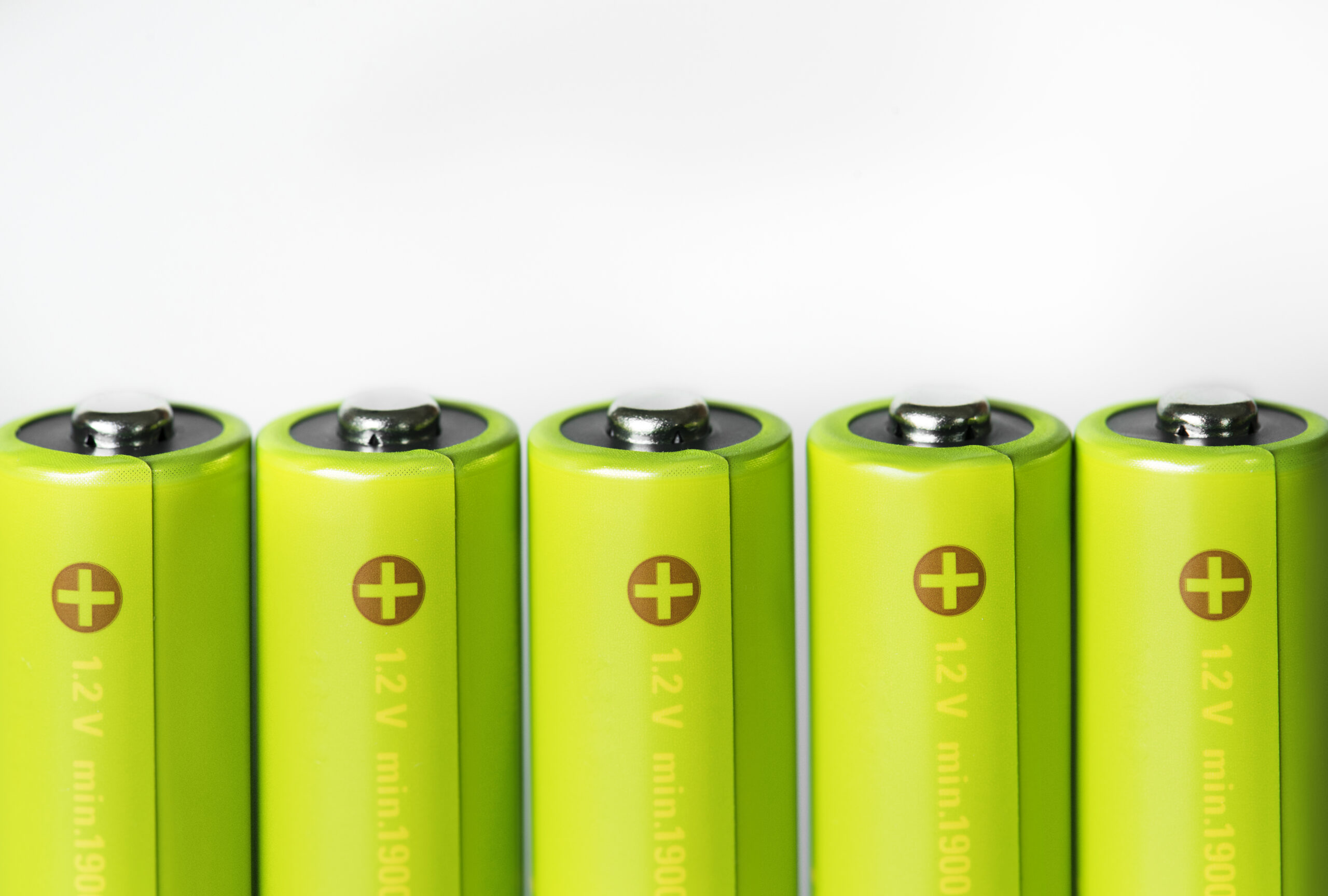
Role of EPR Batteries & Accumulators in producer responsibility
EPR Batteries & Accumulators rules treat the producer as responsible for the collection and treatment of waste batteries. In practice this means that any company placing batteries on national markets must assess whether they fall within EPR Batteries & Accumulators scope. Duties apply to stand alone batteries and to batteries built into products such as tools, toys and devices. Once in scope, the organisation must follow EPR Batteries & Accumulators registration, labelling and reporting requirements for each country.
Categories and scope in EPR Batteries & Accumulators

Most schemes divide EPR Batteries & Accumulators into clear groups such as portable, industrial and automotive. Each category has its own fee structure and technical expectations. Correct allocation of batteries to categories is essential for accurate EPR Batteries & Accumulators reporting. For example, a portable unit sold with a handheld product is rarely treated in the same way as an industrial battery in a backup system. Misallocation can create under reporting or over reporting within EPR Batteries & Accumulators submissions.
Data required for EPR Batteries & Accumulators reporting
Accurate EPR Batteries & Accumulators reporting relies on complete and consistent data. Product records and transaction logs must contain enough detail to match scheme templates. A typical minimum data set for EPR Batteries & Accumulators reporting includes.
When this information is stable, teams can prepare EPR Batteries & Accumulators reports with fewer manual adjustments near deadlines.
Registration duties under EPR Batteries & Accumulators
Before the first sale in a market, companies usually need to register as producers under EPR Batteries & Accumulators rules. Registration confirms which entities are responsible and which schemes will receive reports. Lappa assists organisations by gathering legal documents, confirming producer roles and submitting initial applications for EPR Batteries & Accumulators registrations. In some cases, foreign companies also require an authorised representative to act locally for EPR Batteries & Accumulators obligations.

Common approaches to EPR Batteries & Accumulators data handling
Companies often start with simple methods before moving to more structured ways of handling EPR Batteries & Accumulators. The approach chosen affects accuracy, staff effort and audit readiness.
Methods for managing EPR Batteries & Accumulators obligations
| Method | Typical situation | Main concern |
| Local spreadsheets | Single market with low EPR Batteries volume | High chance of manual error and weak audit trail |
| Basic internal tool | Several markets with moderate EPR Batteries & Accumulators | Hard to maintain as rules and templates keep changing |
| Lappa structured environment | Multi market EPR Batteries & Accumulators portfolio | Clear process for data, registration and reporting cycles |
This comparison helps leaders decide when to move EPR Batteries & Accumulators work into a more formal system.
Differences in EPR Batteries & Accumulators rules across Europe
Although EU directives shape the overall framework, each country applies EPR Batteries & Accumulators laws through national legislation. This leads to variations in scope, thresholds and template formats. Reporting periods for EPR Batteries & Accumulators may be quarterly in one market and annual in another. Some states demand more detail on chemistry types, while others focus more on weight bands. Companies with activity in several states benefit from a central view of these differences so that EPR Batteries & Accumulators responsibilities are not missed or duplicated.


Process Lappa uses for EPR Batteries & Accumulators compliance
Lappa applies a consistent process when supporting EPR Batteries & Accumulators for clients. The aim is to reduce uncertainty by defining clear steps that internal staff can follow. Typical steps include:
- Identify all products that contain or consist of EPR Batteries & Accumulators in each market
- Confirm producer roles and related entities responsible for EPR Batteries & Accumulators
- Collect or refine data on weights, chemistries and categories for all relevant items
- Map national scheme templates for EPR Batteries & Accumulators to internal data fields
- Run trial calculations using historic data and correct any gaps or misclassifications
- Move to periodic reporting with clear cut off dates for EPR Batteries & Accumulators submissions
- Review regulator feedback and adjust configurations for future EPR Batteries & Accumulators cycles
This practical sequence helps organisations treat EPR Batteries & Accumulators as an ongoing compliance process rather than a series of separate exercises.
Coordination of internal roles for EPR Batteries & Accumulators
EPR Batteries & Accumulators touches several teams in a typical organisation. Product engineers understand technical specifications. Commercial staff set markets and sales channels. Finance teams manage invoices from schemes. Compliance staff coordinate reports. Lappa supports these groups by defining responsibilities and sharing calendars for EPR Batteries & Accumulators work. When roles are clear, fewer tasks fall through gaps and deadlines for EPR Batteries & Accumulators are easier to meet.

Link between EPR Batteries & Accumulators and product design decisions
Decisions taken earlier in the product cycle can affect EPR Batteries & Accumulators for many years. Battery type, chemistry and configuration influence categorisation and future waste handling expectations. While the primary focus of this page is compliance, many organisations use data from EPR Batteries & Accumulators reports to inform long term planning. Reliable information on volumes and categories helps staff understand the full impact of EPR Batteries & Accumulators duties over time.
Benefits of a structured approach to EPR Batteries & Accumulators
Companies that move to a structured model for EPR Batteries & Accumulators gain several practical advantages. Reporting becomes more predictable, less time is spent chasing missing data and dialogue with schemes becomes more factual. Internal staff can view historic and current EPR Batteries & Accumulators returns in one place, which makes explanations to auditors and regulators more direct. Over time, this reduces the likelihood of backdated corrections and unplanned charges linked to EPR Batteries & Accumulators.

Conclusion
EPR Batteries & Accumulators now form a standard part of producer responsibility in European and other regulated markets. The combination of technical detail, multiple schemes and varying national rules can overwhelm teams that treat it as a side activity. Lappa works with organisations to build a clear, stable model for registrations, data collection and returns under EPR Batteries & Accumulators rules. When handled in this way, the duty remains serious but no longer unpredictable, and companies can plan their operations knowing that EPR Batteries & Accumulators reporting follows a defined pattern.